How to Choose a Halal Farm (What Actually Matters and What Doesn’t)
For many people, finding a halal farm is not as straightforward as it sounds.
Search results often bring up a mix of farms, markets, and services, but it’s not always clear how to evaluate them—or what actually matters when making a decision.
Most people start with one assumption: that halal is only about how an animal is processed.
In reality, the way a farm operates day to day plays just as important a role.
What does “halal” mean at the farm level?
Halal is often associated with a single step, but at the farm level, it begins much earlier.
It includes:
- How animals are raised
- How they are handled
- The conditions they live in
- The level of care they receive over time
Two farms can both offer halal animals while operating very differently.
Understanding those differences is key when choosing where to go.
How are the animals actually raised?
One of the first things to look at is how animals spend their time.
Are they:
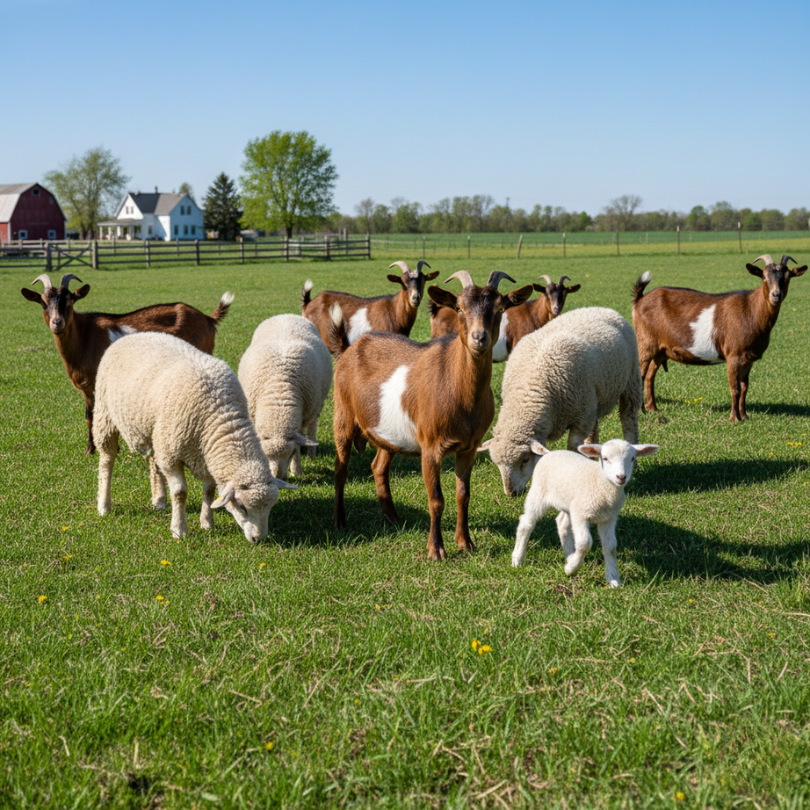
- Kept primarily on open pasture?
- Rotated between grazing areas?
- Managed in a way that avoids overcrowding?
Or are they:
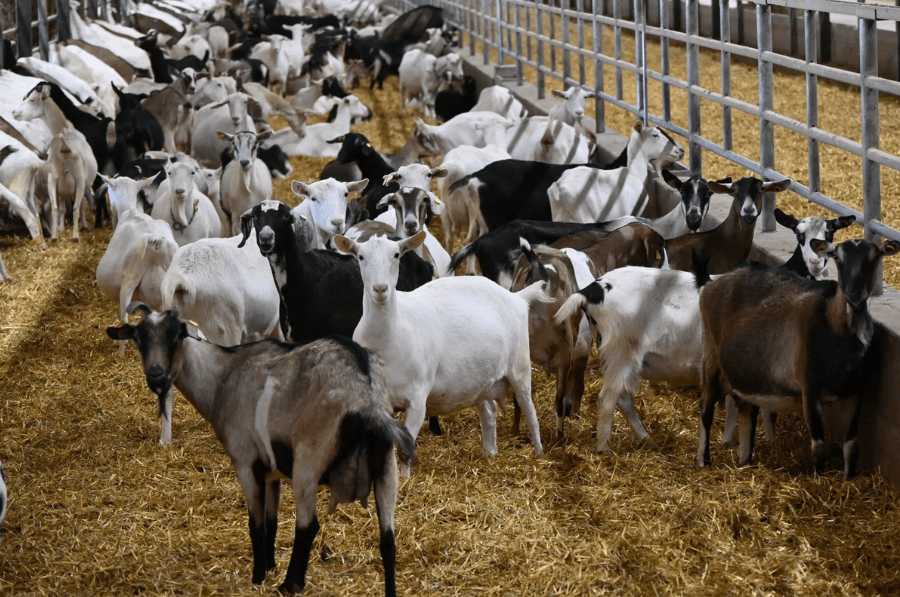
- Kept in fixed spaces
- Limited in movement
- Raised without active pasture management
Farms that use systems like rotational grazing tend to manage both animals and land more deliberately.
If you’re unfamiliar with that approach, it’s explained here:
What Is Rotational Grazing and Why Do Farms Use It
Is the farm structured or informal?
Another key difference is how the farm operates overall.
Some farms are loosely organized, while others follow a clear system.
A structured farm will typically:
- Manage animal numbers in advance
- Control availability instead of scaling quickly
- Follow consistent routines for feeding, movement, and care
This doesn’t always show up in advertising, but it becomes clear when you look at how the farm communicates and operates.
Can you understand how the process works?
Transparency matters—but it doesn’t always mean full access.
Instead, it means the farm can clearly explain:
- How animals are raised
- How availability is managed
- What steps are involved if you’re interested
If the process feels unclear or constantly changing, that can be a sign that the operation is less structured.
If you want a clearer idea of how this typically works, you can read:
How Does Reserving an Animal for Eid al-Adha Actually Work
Does the farm manage scale intentionally?
Not all farms are designed to handle large numbers of animals.
Some operate at a deliberate scale, where:
- Animal care is prioritized
- Land use is managed carefully
- Capacity is controlled rather than expanded
This often means availability is limited—but that limitation reflects planning, not shortage.
What about visiting the farm?
Some farms allow visits, while others limit them.
When visits are available, they are usually:
- Scheduled
- Structured
- Coordinated with farm operations
This helps maintain consistency in how animals are managed.
Why this decision matters
Choosing a halal farm is not just about availability.
It’s about understanding:
- How animals are treated over time
- How the land is managed
- How the process is structured
These factors shape the overall experience, even if they are not always visible at first glance.
Closing Perspective
Finding a halal farm involves more than identifying a label.
It requires looking at how the farm operates as a whole—how animals are raised, how systems are managed, and how decisions are made over time.
For those taking the time to understand these factors, the differences between farms become much clearer.